




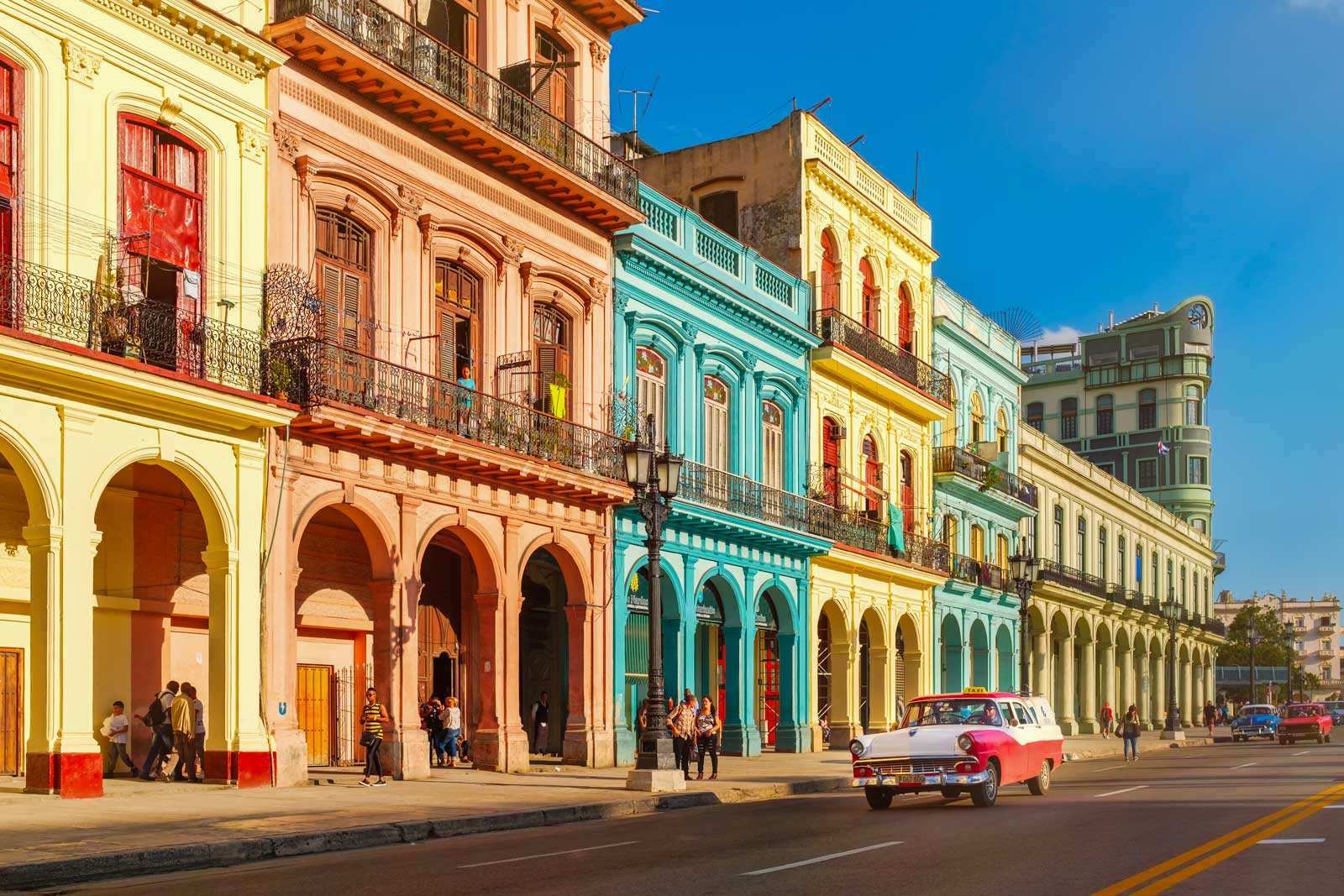
Havana —A holiday in Cuba is still a lot of fun because the experience goes far beyond perfect infrastructure or luxury polish. Days unfold to live music, spontaneous street conversations, colorful architecture, and beaches that remain among the Caribbean’s most beautiful. Even with challenges, the energy, rhythm, and warmth of daily life create a uniquely joyful, unforgettable atmosphere.
The State of Tourism in Cuba
Cuba’s tourism industry is once again under strain, caught between deepening fuel shortages, recurring power outages, and intensified U.S. efforts to restrict oil supplies to the island. The pressure comes at a precarious moment for a sector that has yet to recover from the pandemic-era collapse and remains one of Cuba’s most vital sources of foreign currency.
Hotels, airlines, and tour operators report fewer arrivals than in pre-2019 years, while rolling blackouts and fuel scarcity increasingly affect transportation, refrigeration, communications, and basic services that tourism depends on. Although authorities have long prioritized tourist zones, the scale of the current energy crisis has made it harder to fully insulate visitors from disruptions, even in established destinations such as Varadero.
Oil pressure and a fragile lifeline
At the heart of the current situation is renewed U.S. pressure aimed at deterring third countries from supplying oil to Cuba. While not a literal blockade, the policy seeks to raise the political and economic cost for potential suppliers, sharply reducing the fuel available for power generation and transport.
Mexico has played a key role as a partial counterweight, providing fuel shipments that have helped Cuba avoid worst-case scenarios such as airport shutdowns or prolonged nationwide grid collapse. For visitors, this assistance has meant that major resorts, international flights, and essential tourist transport have largely continued to function. Yet the support remains politically fragile, and even short interruptions quickly ripple through the economy, tightening electricity rationing and limiting mobility.
A familiar test of resilience
Cuba’s ability to endure hardship is rooted in experience. The economic trauma of the 1990s “Special Period,” following the collapse of Soviet support, reshaped the country’s survival strategies and placed tourism at the center of economic recovery. Scarcity, improvisation, and rationing are not new to the island. That history suggests Cuba can adapt again—but it also shows that resilience often comes with lower service levels, more inconvenience, and heavier reliance on generators and ad-hoc solutions.
Tourism as a lifeline for ordinary Cubans
Crucially, the strain on tourism is not just a national economic concern—it is deeply personal for millions of Cubans. With state wages insufficient to meet basic needs, tourism has become one of the few avenues through which ordinary people can earn hard currency. Visitors’ spending flows directly into private room rentals, family-run restaurants, taxis, guided tours, music performances, and small informal businesses. These earnings often support extended families, helping them buy food, medicine, and essentials otherwise difficult to obtain.
In this sense, tourism does not simply benefit the government. It sustains a broad ecosystem of livelihoods and limited economic independence for ordinary citizens. Each canceled booking or empty hotel room is felt not only in official revenue figures but in household budgets across the island. Even amid blackouts and shortages, many Cubans continue to view visitors not as outsiders, but as a vital part of daily survival.
Can pressure be sustained?
Whether the current U.S. strategy can be maintained at full intensity remains an open question. Sustaining aggressive pressure depends on enforcement, international cooperation, and the willingness of supplier countries to absorb diplomatic or economic fallout. History suggests that while pressure campaigns can last for years, they often evolve, encounter workarounds, or trigger humanitarian concerns that complicate their continuation.
Is it still safe—and enjoyable—to visit?
From a security standpoint, Cuba remains relatively safe compared with many regional destinations, with low levels of violent crime against tourists. The primary risks are practical rather than physical: long power cuts, fuel-related transport delays, unreliable internet and card payments, and sporadic shortages of basic goods.
For travelers willing to accept unpredictability, the experience can still be rewarding. The rhythms of Cuban life—music in the streets, conversation on doorsteps, classic cars rolling along the Malecón—persist despite the hardships. The “Cuba vibe” is less polished than in the past, but many visitors say it remains authentic, human, and engaging. For those seeking effortless luxury, postponement may be wise; for those seeking culture, connection, and perspective, Cuba continues to offer a journey that is challenging, meaningful, and—despite everything—still very much alive.