


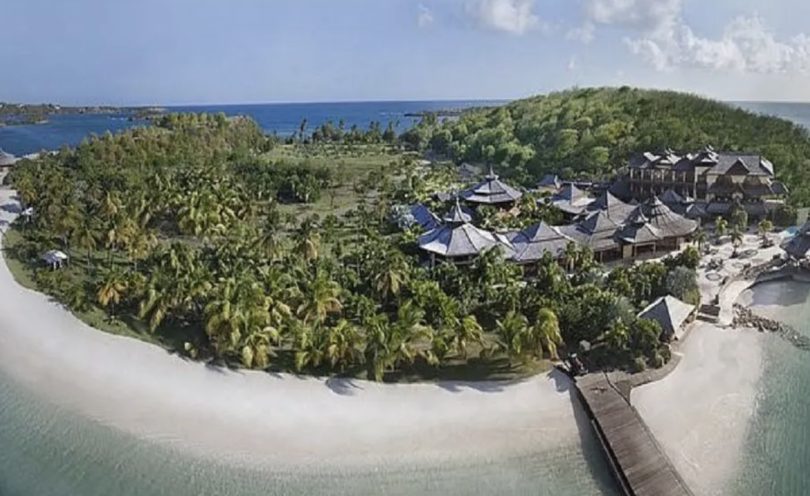

For the first time in decades, Somalia’s capital is cautiously welcoming foreign tourists, marking a surprising shift in a city long synonymous with conflict and insecurity. The reopening of Mogadishu reflects real security improvements and an ambitious government effort to rebrand the country as an emerging destination. Yet the move comes despite threats from Al-Shabaab and strict Western travel warnings, placing Somalia’s fragile tourism revival under constant pressure.
A City Emerging From Decades of Conflict
After years of conflict beginning in the early 1990s and a prolonged insurgency by Al-Shabaab, Mogadishu is experiencing what officials describe as its most stable period in years. Authorities cite an 86% decrease in attacks since 2023, supported by expanded checkpoints, surveillance systems and improved policing. New development projects, especially along the capital’s coastline, aim to signal Mogadishu’s return to normalcy.
Somalia Department of Tourism mission statement
Propel the tourism sector as a key engine of economic growth and enhance the visibility of Somalia as a top class tourist destination in traditional, emerging and new markets.
Somalia joined International Tourism Associations
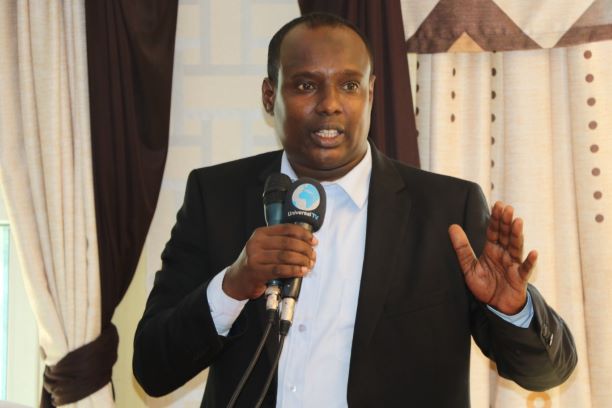
Tourism has become a strategic part of Somalia’s national image. The country rejoined global tourism frameworks in recent years: Somalia became the 157th member of the UN World Tourism Organization (UNWTO) in 2017, has pursued continental cooperation with the African Tourism Board (ATB), and its private-sector association SATTA is listed as a member of the World Tourism Network (WTN) — all part of efforts to reconnect Somalia with regional and international tourism bodies.

A Niche Wave of Adventurous Visitors
Somalia remains far from a mainstream destination. Instead, it attracts adventure tourists — experienced and risk-tolerant travellers drawn to “last-frontier” countries. Government data suggests roughly 10,000 visitors in 2024, with hopes of doubling the figure in 2025 if stability improves.
Most visitors currently arrive from China, the United States and Türkiye, and pay premium rates — sometimes US$500 per day — for security, armored transport, and guided movements. Mogadishu’s beaches, cultural sites, and its post-conflict narrative appeal to these niche travellers, though their movement remains tightly controlled.
Persistent Security Risks
Despite progress, Somalia’s security environment remains volatile. Al-Shabaab continues to conduct attacks nationwide, and major Western governments maintain the strongest possible travel advisories. Insurance is difficult to obtain, and basic logistics such as payments and mobility remain challenging.
Outlook: Promise and Fragility
Somalia hopes tourism can become a sign of normalisation and a source of economic growth — with an estimated 30,000 jobs tied to the sector. Engagement with UNWTO, ATB and WTN underscores Somalia’s desire to integrate with global tourism networks.
Yet the sector’s future depends heavily on continued security gains. While Mogadishu’s tentative revival offers cautious optimism, any major attack could reverse progress overnight.