



For global tourism, symbolism matters. And sometimes, a single departure speaks louder than a dozen policy statements.
The resignation of Gustavo Santos, UN-Tourism’s Regional Director for the Americas and former Argentine tourism minister, should be understood not merely as a personal or administrative decision—but as a signal that UN-Tourism may finally be ready to close one chapter and begin another.
His exit comes at the same time when the most controversial two term secretary general Zurab Pololikashvili from Georgia will give his helm to the first woman secretary general Shaikha Al Nowais from the United Arab Emirates.
For years, UN-Tourism has struggled with credibility, cohesion, and trust. Much of that struggle unfolded during the Pololikashvili era, a period that left many governments, industry leaders, and independent observers questioning governance practices, transparency, and the organization’s relevance to those who actually drive tourism on the ground.
Santos was part of that era. His exit now creates space—space to pause, reflect, and reset.
Not About Individuals — About Institutions
This is not a judgment of personalities. It is a recognition of reality.
UN agencies do not regain trust through press releases alone. They do so through visible change, new leadership culture, and a willingness to acknowledge that the past cannot simply be rebranded away.
Santos’ resignation is therefore important because it sends a message:
the future of UN-Tourism will not be built by recycling the same internal networks, loyalties, and political habits.
With a new Secretary-General from the UAE set to take office in 2026, UN-Tourism has a rare opportunity to redefine itself—not as a closed diplomatic club, but as a modern, responsive global institution that listens to both governments and the private sector.
Madrid Becomes the Center of Gravity


What makes this moment truly consequential is Madrid.
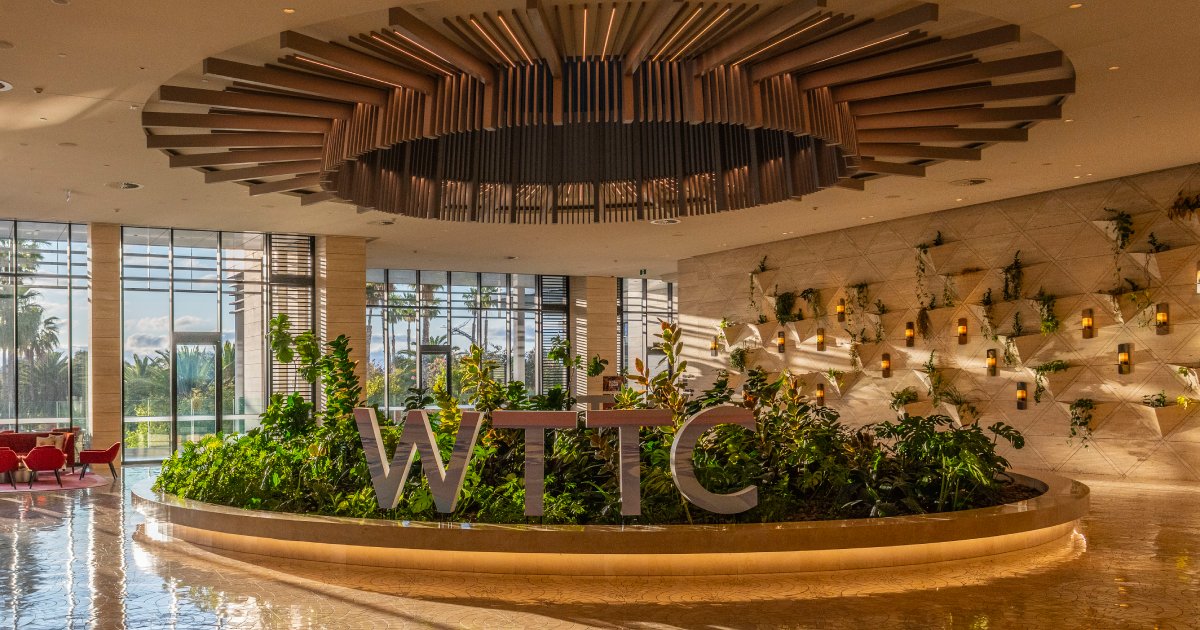
In January, the World Travel & Tourism Council (WTTC) will move to Madrid, deliberately positioning itself alongside UN-Tourism. This is not coincidence. It is strategy.
WTTC most likely will also be led, by a woman, Gloria Guevara, who brings decades of experience into the mix.
For the first time, the world’s leading public-sector tourism body and the most influential private-sector tourism organization will share not only a mission—but a city.
This matters because tourism does not succeed through declarations alone. It succeeds when policy and business move together, when ministers understand market realities, and when private-sector leaders engage constructively with governments.
If UN-Tourism and WTTC fail to cooperate now, they will have no excuse.
A Test of the New Era
The departure of Gustavo Santos opens a door. But doors do not walk through themselves.
The real test for UN-Tourism will be whether incoming leadership:
- Breaks with internal politics of the past
- Embraces transparency and accountability
- Treats the private sector as a partner, not a photo opportunity
- Engages SMEs, destinations, and workers—not just ministers
Global tourism faces enough external challenges—geopolitics, climate risk, workforce shortages, overtourism, digital disruption. It cannot afford weak or divided leadership at the top.
A Cautious Optimism for UN-Tourism & WTTC
At eTurboNews, we remain cautiously optimistic.
Santos’ resignation, WTTC’s move to Madrid, and the arrival of new leadership together create a rare alignment of circumstances. If handled wisely, this moment could mark the beginning of a more credible, cooperative, and effective era for global tourism governance.
But optimism will only last as long as actions follow words.
The world is watching. The industry is watching.
And this time, UN-Tourism must lead—not manage optics.