


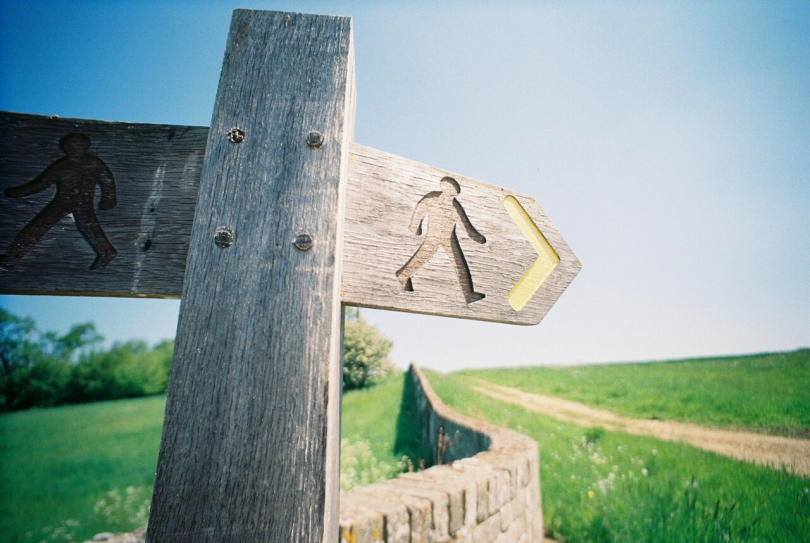

The concept of a walking holiday has been around for centuries, but it was more commonly known as a pilgrimage. In the last few decades, however, it started taking off. The ancient Camino de Santiago network of routes, in particular, is experiencing a surge in popularity, with nearly half a million pilgrims completing it each year; however, other walking holidays are also rapidly gaining new interest. Why is that?
Are walking holidays different from hiking trips?
The first thing to establish is that a walking holiday is not the same as a hiking trip, which is something people are much more familiar with. The former includes walking in a range of terrains. For instance, a walking holiday in Spain may take you through quaint villages where you visit historical attractions, before entering a mountain range with challenging ascents and descents, such as the Sierra de la Tramontana. You have a set itinerary and pre-arranged accommodations each day.
The latter, on the other hand, is usually associated with mountainous areas. When planning a hiking trip, the typical goal is to summit a peak or reach another remote viewpoint in the great outdoors. Not just that, it’s much more common to camp during hiking trips, meaning you bring a heavy backpack with a tent with you. On walking holidays, pilgrims can arrange for luggage to be transferred instead.
Slower, more authentic way to see the world
The surge in popularity for walking holidays most likely stems from our desire for more authentic travel as a society. In times of over-tourism and excessive stimulation, many of us are seeking a slower pace, one that is outside of crowded hotspots and tour buses.
Whether it’s the Canary Island of La Gomera or the Highlands in Scotland, a walking holiday allows you to form a deeper connection and appreciation for the nature and culture you are visiting. It is a highly immersive way to travel, without skipping to the “fun” bits only. To reach the stunning secluded cove, you must first traverse through the rural landscapes and forests… Getting there, however, becomes much more meaningful and rewarding.
Health and wellness
Walking holidays offer incredible benefits for both physical and mental well-being. The low-impact exercise of simply walking, although tiring, is accessible to most people in good health. Most routes do not require extensive physical preparation or specialized knowledge, so anyone can challenge themselves, building stamina and improving cardiovascular health.
The mental health benefits are just as significant. Leaving our digital distractions behind and simply putting one foot in front of the other for hours on end, surrounded by beautiful landscapes, is profoundly restorative. Beyond reducing stress or boosting our moods, it presents an opportunity for deep reflection and spiritual discovery.
The growth of meaningful escapes
It’s clear that the faster and more connected the world is getting, the more we are trying to slow down and escape. A walking holiday, for many, is the answer, providing a chance to be active yet mindful at the same time.