


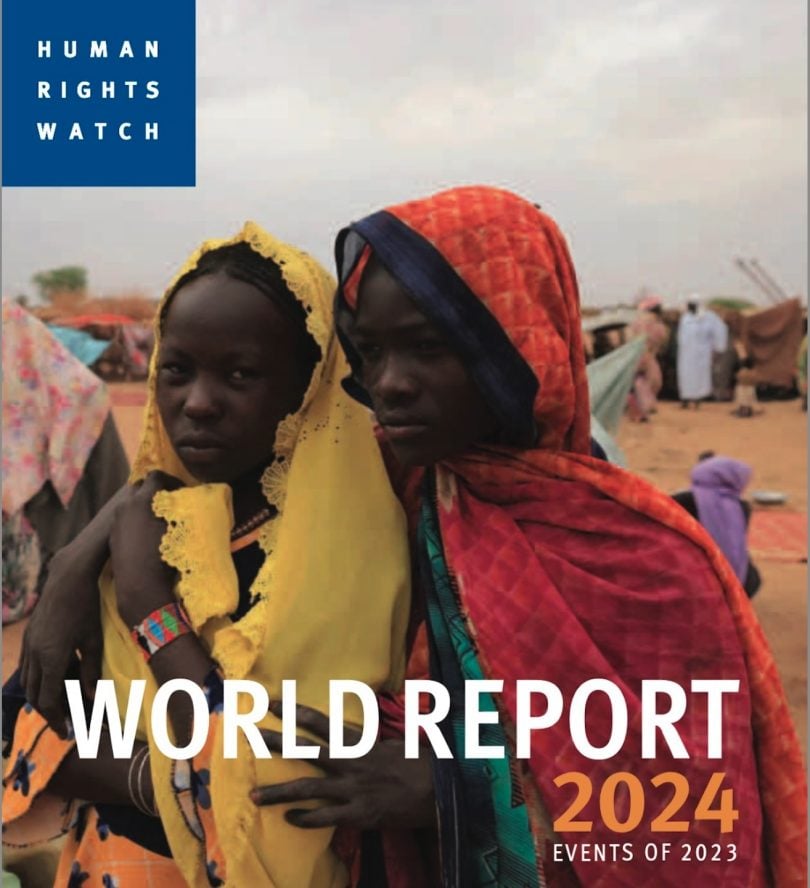

The annual Human Rights Watch report for 2024, released last week, has flagged the next big threats facing global Travel & Tourism:
The slow boiling-frog death of the rule of law, human rights, freedom, privacy, democracy as well as the right to protest, debate, and dissent.
Transactional Diplomacy
For the first time, the HRW report refers to “transactional diplomacy” and “selective outrage” as indicators of the double standards dominating global geopolitics, accompanied by a clear warning of the conflicts that will spawn.
The warning should be heeded in the Travel & Tourism industry which is exulting in the euphoria of the “recovery” from the Covid-19 catastrophe.
The return of Tourism after COVID
Multiple research reports are celebrating the return of tourism to near pre-pandemic levels. Conveniently omitted is any mention of the increasingly fragile and volatile global environment and the multiple man-made risks and threats that threaten stability, safety, and security.
What the 2024 Human Rights Report says
The 734-page HRW report, covering nearly 100 countries, clearly blames governments and political leaders for sacrificing human rights, freedom, and democracy at the altar of business deals and political expediency.
The report says, “In transactional diplomacy, governments disregard the benefits of long-term relationships built on human rights principles to achieve immediate, short-term trade or security gains. When governments pick and choose which obligations to enforce, they perpetuate injustice not only in the present but in the future for those whose rights have been sacrificed – and can embolden abusive governments to extend the reach of their repression. The moral foundation of international human rights demands consistency and steadfastness.
The International Community does not care about Human Rights
“Governments have found it easier to disregard human rights issues in the international arena in part because the international community is not challenging their violations of human rights at home. Across regions, autocrats have worked to erode the independence of key institutions vital for protecting human rights and shrink the space for expressions of dissent with the same end game in mind: to exercise power without constraint.”
It also highlights specific examples of “selective outrage”.
Some Lives Matter More
“When governments are vocal in condemning the Israeli government’s war crimes against civilians in Gaza but silent when it comes to Chinese government crimes against humanity in Xinjiang, or demand international prosecution for Russian war crimes in Ukraine while undermining accountability for US abuses in Afghanistan, they weaken the belief in the universality of human rights and the legitimacy of the laws designed to protect them. It sends the message that some people’s dignity is worth protecting, but not everyone’s – that some lives matter more. The ripple effects of these inconsistencies shake the legitimacy of the system of rules that we rely on to protect everyone’s rights.”
The report notes the ominous trend of once vibrant “democracies” rolling back their own commitments to human rights.
US Allies continue to violate the rights of their People
“In the US, President Joe Biden has shown little appetite to hold responsible human rights abusers who are key to his domestic agenda or those in China’s sphere of influence. US allies in too many countries to name violate the rights of their people on a massive scale.
EU Circumvented Human Rights Obligations
“The EU has circumvented its human rights obligations, pushing asylum seekers and migrants back to other countries or striking deals with abusive governments like Libya and Turkey to keep migrants out. Democratic governments in the Asia-Pacific region, including Japan, South Korea, and Australia consistently deprioritize human rights in the name of assuring military alliances and trade.
India’s Democracy slid towards autocracy
“Under Prime Minister Narendra Modi, India’s democracy has slid toward autocracy, with authorities targeting minorities, tightening repression, and dismantling independent institutions.”
Governments use High Tech to silence critics
Tirana Hassan, Executive Director, HRW, said, “Civil society, courts, and human rights commissions are also increasingly under threat by governments that want to exercise power without constraints. And governments are increasingly using technology platforms to silence and censor critics. These threats underline that governments should urgently respect, protect and defend human rights to build thriving and inclusive societies.”
She called for a return to “Principled Diplomacy”.
“Human rights crises around the world demonstrate the urgency of applying longstanding and mutually agreed principles of international human rights law everywhere,” Hassan said. “Principled diplomacy, by which governments center their human rights obligations in their relations with other countries, can influence oppressive conduct and have a meaningful impact for people whose rights are being violated.”
“Upholding human rights consistently, across the board, no matter who the victims are or where the rights violations are being committed, is the only way to build the world we want to live in, where everyone’s dignity is respected and protected.”
Ripe for Revolt?
The report’s bottom line conclusion is that societies and countries plagued by injustice and repression are ripe for revolt by those at the receiving end. If that anger and frustration spills out into the streets, travel & tourism to those destinations is all but dead. The world is seeing a gradual return to the authoritarianism of communism and fascism that plagued most of the 20th century. Those forces were vanquished by the end of the Cold War, but are now resurfacing under the guise of extremism and nationalism.
Which makes conflict a certainty, be it local, national, regional or global.
The report is well worth reading by all students of tourism keen to research the relationship between thriving democracies and vibrant travel & tourism industries.