




A magnitude 6.5 earthquake struck off the Pacific coast of Guerrero, Mexico, early Friday, shaking buildings in Acapulco, nearby coastal communities, and as far inland as Mexico City. While the quake prompted evacuations and briefly disrupted daily life, no major damage or fatalities were immediately reported, according to Mexican authorities.
The epicenter was located near San Marcos, Guerrero, a region well known for seismic activity due to the subduction of the Cocos Plate beneath the North American Plate along Mexico’s southern coastline.
Immediate Impact on Travel and Tourism
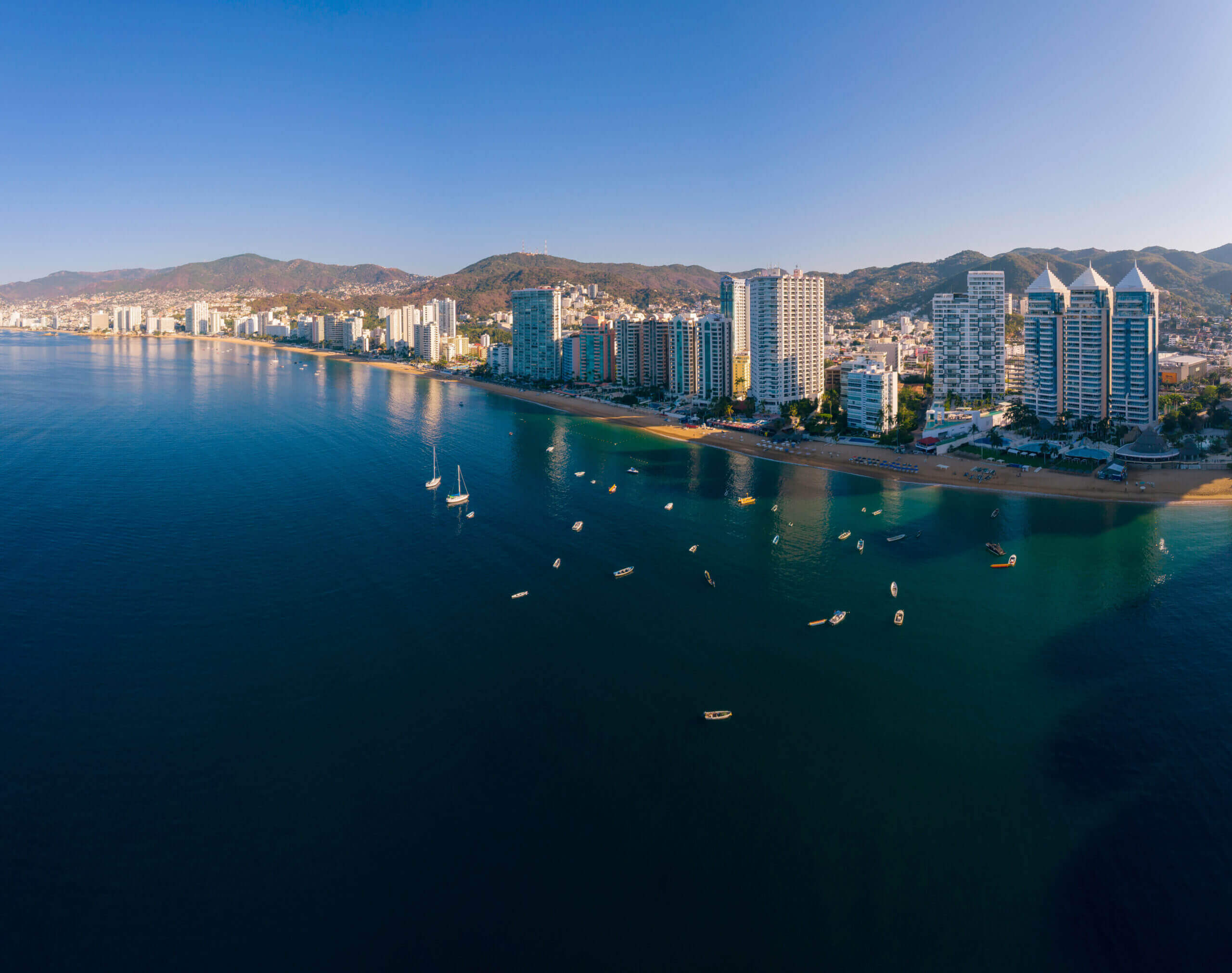
Initial assessments indicate that major tourism infrastructure remains operational. Airports serving Acapulco and surrounding resort areas reported normal operations, and no widespread damage to hotels, resorts, or coastal tourism facilities was confirmed at the time of publication.
Hotels and resorts temporarily evacuated guests as a precaution, a standard procedure in Mexico following strong tremors. Tour operators reported heightened concern among visitors, particularly international tourists unfamiliar with Mexico’s earthquake preparedness systems.

While aftershocks remain possible, authorities emphasized that Mexico’s seismic alert system and emergency response protocols functioned as designed, helping reduce panic and potential injuries.
A Reminder of Mexico’s Seismic Reality
Mexico sits atop three major tectonic plates, making it one of the most seismically active countries in the world. Along the southern coast, the oceanic Cocos Plate is forced beneath the continental crust, creating the Middle American Trench and generating frequent earthquakes near popular coastal destinations.
This same geological process has shaped southern Mexico’s mountain ranges and produced the Cordillera Neovolcánica, home to active volcanoes such as Popocatépetl and Volcán de Colima.
Historic events underscore the risk: the 1985 Mexico City earthquake killed more than 9,500 people, while more recent quakes near Guerrero have repeatedly tested emergency systems—often with limited damage to tourism zones but significant impact on traveler perception.
Tourism Confidence vs. Perception Risk
For the tourism industry, the greatest challenge following earthquakes is often perception rather than physical damage. Even when resorts remain fully operational, travelers may postpone or cancel trips due to fear of aftershocks or misunderstanding of local conditions.
Travel advisors report that earthquakes, combined with existing security-related travel advisories for Guerrero, can amplify hesitation among international visitors. Industry experts stress the importance of clear, transparent communication from tourism boards, hotels, and airlines to reassure travelers with verified information.
What Travelers Should Do
Authorities recommend that visitors:
- Monitor official updates from local civil protection agencies
- Follow hotel and resort safety instructions
- Be prepared for aftershocks, which are common after strong earthquakes
- Consider comprehensive travel insurance that includes natural disasters
Outlook for the Tourism Sector
At this stage, the M6.5 earthquake is not expected to cause long-term disruption to tourism in Guerrero or Mexico’s Pacific coast. However, it serves as a reminder that resilience, preparedness, and rapid communication remain essential pillars for destinations operating in high-risk seismic zones.
As Mexico continues to welcome millions of international visitors each year, balancing natural risk with transparency and safety messaging will remain critical for sustaining traveler confidence.