




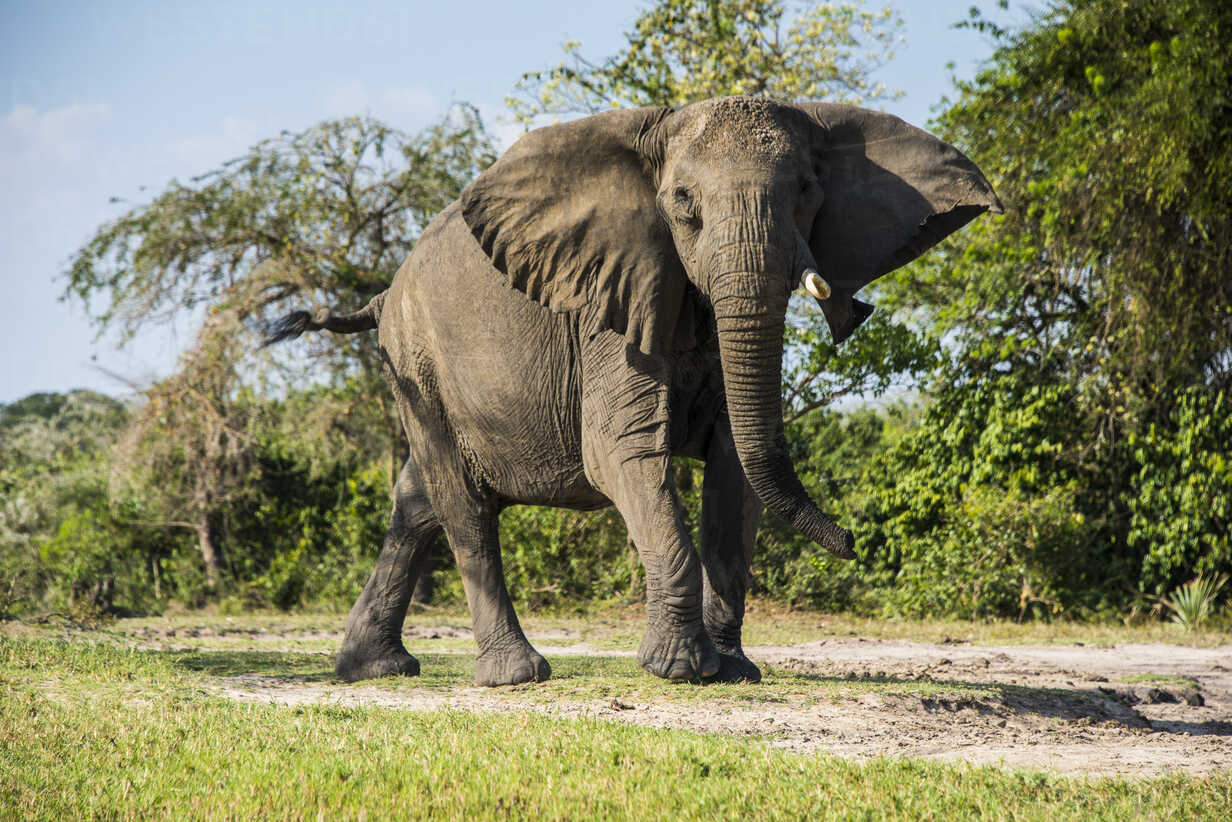
With the increasing human population, human-wildlife conflict has been inevitable in Uganda’s national parks. In a move to protect biodiversity and enhance Uganda’s tourism potential, the government has officially created six new national parks across the country. The endorsement, undertaken by the Cabinet last week, forms part of a broader campaign to enhance conservation, protect wildlife habitats, and provide improved tourism experiences in Uganda.
Why the New Parks Matter for Uganda Tourism
The Uganda Wildlife Authority (UWA) highlighted that the national parks to be gazetted are designed to safeguard natural habitats, reduce human-wildlife conflict, and expand conservation buffer zones.
Different forest reserves and wildlife zones have, for many years, been threatened by encroachment, poaching, and agricultural expansion. Promoting such areas to national park status affords them further legal protection, more conservation resources, and additional promotion as top tourist attractions in Uganda.
According to officials, elephants and other animal species have often remained vulnerable in protected areas with weak protective cover. The new categorization will not only protect such animals but will also fight against practices such as illegal logging, charcoal burning, and uncontrolled grazing.
The Newly Declared National Parks in Uganda
Bukaleba National Park
In eastern Uganda along the shores of Lake Victoria, this was previously a forest reserve. Bukaleba spans about 97 square kilometers and is home to monkeys, antelopes, reptiles, birds, and aquatic life. It also has a unique history dating to colonial timber plantations in the late 1800s.
Echuya National Park in Uganda
Formerly the Echuya Forest Reserve in south-western Uganda, the park is heavily forested with bamboo and montane forest vegetation. It is one of the endangered Albertine Rift biodiversity habitats and thus a great eco-tourism destination in Uganda.
Located close to the borders of Rwanda and the Democratic Republic of Congo, this forest complements Uganda’s gorilla safaris, making it an excellent addition for adventure travelers.
Kyambura National Park in Uganda
A former wildlife reserve that shares borders with Queen Elizabeth National Park, Kyambura is famous for its lush gorge, where chimpanzees and a host of birds live.
Kigezi National Park in Uganda
A territory was annexed from wildlife reserves that share borders with Queen Elizabeth National Park. Its savannah plains make excellent grazing grounds for buffalo, elephants, and antelopes.
Toro Game Reserve in Uganda
Known as Toro Semliki, this wilderness destination is located near the western border of Uganda. The reserve takes up most of the Western Great Rift Valley floor between the Rwenzoris and Lake Albert.
Katonga Game Reserve in Uganda
Katonga Game Reserve is a wilderness area that was created as a corridor for migrating wildlife from Western Uganda to Tanzania and Sudan.
The upgrade of these wilderness reserves is expected to enhance conservation and tourism yields, creating a stronger Uganda national park network.

Opportunities for Tourism and Self-Drive Safaris in Uganda
Uganda has become increasingly popular for allocentric tourists who opt for self-drive safaris. These new parks will bring with them new roads and attractions. Independent travelers who love to self drive Uganda and explore the Pearl of Africa on their own have already been exploring the yet to be upgraded game reserves most especially the Kyambura and Kigezi.
The Bukaleba National Park’s location near Lake Victoria also makes it a perfect add-on for visitors beginning or ending their trips in Kampala or Jinja. Similarly, Kyamubura and Kigezi, linked to Queen Elizabeth National Park, create an extended circuit safari that optimizes wildlife viewing opportunities.
Local tour operators note that visitors have long been requesting more variety in secured sites. “Tourists complained continuously about being taken to the same park again and again,” noted a tour guide. “The development introduces new sites to tourists, especially those looking for off-the-beaten-path journeys in Uganda.”
Conservation and Community Benefits for Uganda
The Uganda Wildlife Authority (UWA) and National Forestry Authority (NFA) have promised that the upgrade will not only boost tourism but also improve livelihoods for communities around it. Local people are to be provided with jobs in park management, eco-tourism services, and community conservation programs.
Stuart Maniraguha, Acting Executive Director of the National Forestry Authority, noted that the reforms are aimed at aligning with Uganda’s Vision 2040 and National Development Plan III that promote green growth, climate resilience, and sustainable tourism in Uganda. “We are coming together with development partners so that these areas are managed so that they serve both conservation and people’s ambitions,” he said.
A Triumph for Uganda’s Future Safaris
With Uganda’s savannah safaris, gorilla tourism, and chimpanzee tracking already bringing international recognition, the addition of six new national parks should go a long way in further consolidating the nation’s reputation as a top African tourism destination.
For solo travelers, couples, and families, the expansion means more diversity of landscapes, more autonomy in safari planning, and additional opportunities to discover Uganda’s uncharted marvels. From the tranquil forests of Bukaleba, the steep gorges of Kyamubura, to the unparalleled biodiversity of Echuya, travelers can now look forward to more thrilling, scenic, and adventurous trips in Uganda.
You may also like

Minister Bartlett Travels to Washington D.C. for Inaugural Don Hawkins Distinguished Lecture

Iran Warns Americans of “False Flag” Attacks as War Rhetoric Sends Shockwaves Through Global Tourism

664 Rooms Return to Jamaica’s Tourism Sector with Bahia Principe Reopening

Easter Tourism Boom: Record Travel Meets Rising Challenges
About the author

Juergen T Steinmetz
Juergen Thomas Steinmetz has continuously worked in the travel and tourism industry since he was a teenager in Germany (1977).
He founded eTurboNews in 1999 as the first online newsletter for the global travel tourism industry.
Leave a Comment