


A new 2026 Airline Water Study reveals that not all airline water is created equal at 35,000 feet—and in some cases, it may not be safe at all.
The study, released by the Center for Food as Medicine & Longevity, finds that drinking water quality varies dramatically among U.S. airlines, with Delta Air Lines and Frontier Airlines ranked as providing the safest onboard water, while American Airlines and JetBlue placed at the bottom.
The findings raise renewed concerns about passenger health, regulatory enforcement, and transparency at a time when global air travel has returned to record levels.
A U.S.-Only Study—By Design
Importantly, the 2026 Airline Water Study covers U.S. airlines only. It is based entirely on compliance records from the U.S. Environmental Protection Agency (EPA) under the Aircraft Drinking Water Rule (ADWR), analyzing testing, violations, and public notices between October 1, 2022, and September 30, 2025.
No comparable, publicly accessible airline-by-airline database exists outside the United States—making this study unusually transparent by global standards.
Why Airline Water Matters
Under the ADWR, in effect since 2011, U.S. airlines are legally required to provide safe drinking water to passengers and crew. Aircraft water systems must be regularly tested for coliform bacteria, including E. coli, and disinfected and flushed multiple times per year.
“Unhealthy water violates federal law,” said Dr. Charles Platkin, director of the Center. “Passengers assume water served onboard is safe. In many cases, that assumption is wrong.”
The Safest Water in the Sky
Among major U.S. airlines, the study found:
- Delta Air Lines earned a perfect Water Safety Score of 5.00 (Grade A), with zero E. coli violations and the lowest contamination indicators.
- Frontier Airlines followed with a 4.80 (Grade A).
- Alaska Airlines ranked third at 3.85 (Grade B).
Among regional carriers, GoJet Airlines was the highest-rated, while most regional airlines scored poorly.
The Worst Performers
At the bottom of the rankings:
- American Airlines received the lowest score among major carriers (1.75, Grade D).
- JetBlue Airways followed closely (1.80, Grade D).
- Mesa Airlines earned the only failing grade (Grade F) among regional carriers.
- CommuteAir recorded an alarming 33% coliform positive rate.
Across all airlines studied, 32 Maximum Contaminant Level violations for E. coli were identified.
Weak Enforcement Raises Red Flags
The study sharply criticizes the EPA for rarely issuing civil penalties, even when violations occur, awarding the agency a symbolic “Shame on You” designation.
“Rules without enforcement do not protect passengers,” the report concludes.
What About Airlines Outside the United States?
While this study focuses on U.S. airlines, international research strongly suggests that aircraft water safety is a global issue.
Peer-reviewed studies conducted in Europe and on international long-haul flights have repeatedly found that aircraft drinking water can contain microbial contamination, including coliform bacteria and, in some cases, Legionella. These studies typically analyze samples taken from aircraft tanks, source water, and servicing vehicles—but do not publish airline rankings.
One consistent finding across international research is that long-haul aircraft tend to have poorer water quality than short-haul aircraft. Longer storage times, complex plumbing systems, and water loaded at multiple airports increase contamination risk.
Researchers also point to ground equipment—such as water trucks, hoses, carts, and airport water cabinets—as major contamination sources, sometimes more significant than the aircraft tanks themselves.
Why No Global Rankings Exist

Unlike the United States, most countries do not publish centralized, airline-specific water violation data. In Europe, Canada, Asia, and the Middle East, aircraft water safety is typically regulated through a mix of:
- National potable water laws
- Aviation authority oversight
- Airport-level controls
- Airline internal safety management systems
Many international airlines and airports participate in the IATA Drinking-Water Quality Pool (IDQP), an industry program designed to standardize audits and best practices. However, IDQP results are not public and do not allow consumers to compare airlines.
As a result, passengers flying outside the U.S. often have even less visibility into onboard water safety.
What Passengers Should Do—Anywhere in the World
Until enforcement and transparency improve globally, the Center’s advice applies regardless of airline or country:
- Drink only sealed bottled water
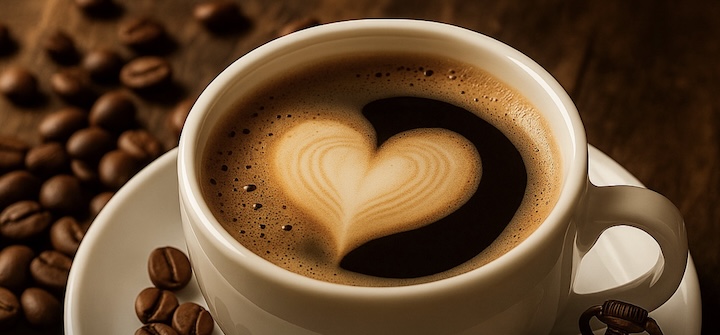
- Avoid coffee and tea, which are made using onboard water
- Do not wash hands with lavatory tap water; use alcohol-based hand sanitizer instead
A Hidden Travel Health Issue
While airline safety discussions often focus on turbulence, mechanical reliability, or pilot fatigue, onboard water safety remains largely invisible to travelers—despite clear health implications and documented violations.
As international travel continues to surge, the study raises a fundamental question for regulators worldwide:
If airlines can be ranked for seat comfort and punctuality, why not for something as basic as safe drinking water?