



A travel-related case of dengue has been reported in Hawaii by the Department of Health (DOH). The individual had recently traveled to countries where dengue is prevalent. State of Hawaii’s most recent confirmed case of locally acquired dengue was in 2016.
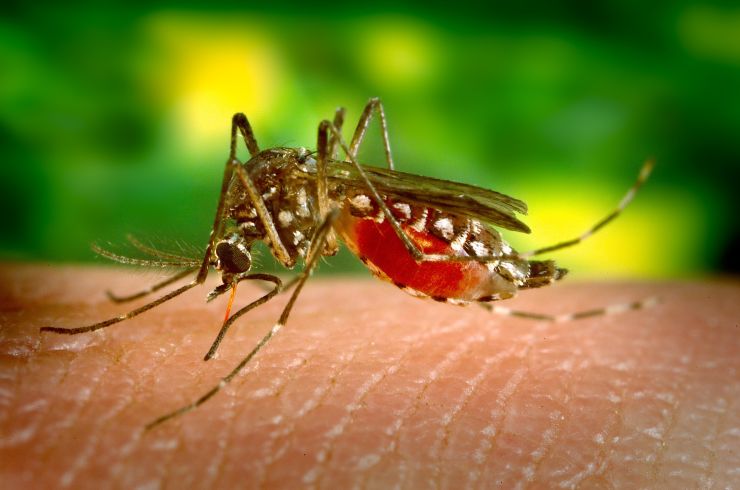
Mosquitoes transmit the dengue virus from person to person. In suspected or confirmed dengue areas, Hawaii DOH personnel inspect and engage in activities to reduce mosquito populations. By reducing mosquitoes, the risk of dengue transmission to others decreases. In areas without reported dengue cases, it is advisable to eliminate mosquito breeding sites in and around your residence. Mosquitoes only require small amounts of stagnant water for breeding. Common breeding sites at home consist of buckets, bromeliads (water-catching plants), small containers, planters, rain barrels, or even cups left outside. Simply emptying containers with stagnant water prevents mosquito breeding.
Dengue is not endemic in Hawaii, but there are cases now seen in travelers. Dengue outbreaks occur in various parts of the world including Central and South America, Asia (such as the Republic of the Philippines), the Middle East, Africa, and some Pacific Islands. Popular tourist destinations in the Caribbean, as well as U.S. territories like American Samoa, the Federated States of Micronesia, the Republic of Marshall Islands, and the Republic of Palau, are also affected by dengue outbreaks.
Traveling to regions with dengue poses infection risks. Some countries have seen an increase in cases, so it’s crucial to review country-specific travel information 4-6 weeks before your trip for the latest guidance on dengue prevention. The CDC advises taking standard precautions in dengue risk areas, such as using EPA-registered repellent, wearing protective clothing, and staying in screened or air-conditioned accommodations. After returning from a dengue risk area, prevent mosquito bites for 3 weeks, and if dengue symptoms arise within 2 weeks, seek medical attention.
Dengue symptoms can range from mild to severe and encompass fever, nausea, vomiting, rash, and body aches. These symptoms typically endure for a period of two to seven days. While it is possible to experience severe and potentially life-threatening illness, most individuals recuperate within approximately one week.