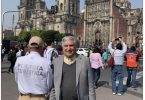



In all of these locations, culture and the arts have become a significant draw for tourism, and cities such as New York, London, Mexico City, and Milan are major cultural hubs for music, the visual arts, and theatrical performances.
The arts also provide tourism opportunities in many smaller cities, despite being often overlooked. One of the reasons for this consistent overlooking may be the fact that it is hard for tourism professionals to define the term “the arts precisely.
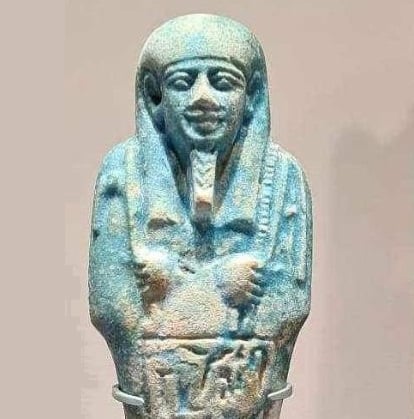
For some, the term usually means what is technically called the “plastic arts”. Those forms of the arts that are restricted to paintings, sculpture, and other visual concepts.
Of course, the “arts” can mean much more, from musical and dance performances to theater, from architecture to poetry readings, all of which are a part of a location’s art offering. In fact, we can say that the arts are everywhere, embodying the soul in communication with other souls.
There are two forms of art in tourism: (1) the cultural side, such as the placing of statues, monuments, and/or murals or art exhibits for reasons of community beautification and (2) the commercial side in which the public views/hears some form of artistic expression in exchange for payment.
To help you decide how you can take advantage of your local art scene Tourism Tidbits offers the following suggestions and ideas.
Know what you have.
Most communities have more artistic talent and offerings than they know. Even small communities have all sorts of interesting artists and many of these people are more than happy to show the world what they have accomplished. Take the time to get to know these people and let them know that you would like to promote their work.
-Artistic tourism attracts people who are willing to spend money. Numerous studies from around the world have shown that people who include the arts in their travel plans often have higher income levels than other tourists to that locale, have a greater likelihood of staying in a local hotel, take longer trips, and shop more.
Encourage local tour guides and organizations to attend artistic performances and events.
Often, visitors ask a tour guide or hotel concierge for information regarding the local arts scene. If these people can speak about artistic events from a first-hand basis, they are providing not only great publicity but also working to help your locale’s cultural venues.
Create (or strengthen) a tourism/arts partnership to promote both tourism and the arts.
This partnership’s goals should be to seek international grants and to create a cooperative atmosphere between the arts and tourism communities. The partnership should also seek ways in which each industry can help to solve the other’s problems.
Encourage lodging establishments to promote the arts as a way to promote their business.
Perhaps the number one complaint among frequent travelers is that many franchised hotels have a cookie-cutter feel and that they lack individuality. The plastic arts are a great way to add a special local flavor to a hotel or motel lobby. By allowing local artists to exhibit, visitors get a sense of the community, the local artist may make a profit, and the hotel has turned itself into a unique attraction.
Do not underestimate the value of literary readings.
These literary get-togethers are great ways to add nightlife and an artistic flavor to any community, no matter what its size. Ask local restaurants, coffee houses, or even hotels to sponsor local poetry readings. If you have a community college or four-year college nearby, involve the school’s literary professors and/or students. Ask them to share some of the material that has been developed in the classroom.
If you have art galleries, promote them; if you don’t, then create new artistic venues.
One of the main problems with using the arts as a tourism promotional tool is that people do not know when exhibits are taking place, where they are taking place, how to purchase tickets, and what to expect. Create local guides to the arts.
These can be written, digital, or web based. Each format has its advantages and drawbacks. The written brochure offers the most cost-effective way to promote the arts, allowing visitors to take one with them.
However, they require constant updating and consume a significant amount of paper. Websites have the advantage of being easy to update; however, many travelers do not travel with a laptop or electronic tablet, and it is essential to market the website so that people know where to go.
Two or three well-located electronic billboards (often called silent radio) are the most efficient way to provide up-to-the-minute information and can do so in multiple languages, but they are not cheap to purchase and must be maintained. Other methodologies to consider are broadcast faxes, where a cultural calendar is sent to anyone in the tourism industry on a monthly basis.
Seek grants!
Do not be afraid to seek grants to help in developing artistic tourism. In the USA and many other nations, there are a number of funding sources that can improve not only your locale’s economic viability but also its quality of life. Among places in the US to which you may want to turn to for help are:
- * The American Association of Museums,
- * Institute of Museum Services,
- * International Association of Convention and Visitor Bureaus
- * National Assembly of Local Acts of Agencies,
- * National Endowment for the Arts,
- * National Endowment for the Humanities
- * National Trust for Historic Preservation
Do not try to do everything on your own.

or example, contact such people as the Global Mural Arts & Cultural Tourism Association. This association promotes economic Development through the Arts and Culture within our Communities by supporting the creation of partnerships between cities, artists, local business and commerce, economic development authorities and tourism organizations.
SOURCE: Touris Tibits www.tourismandmore.com