



Iranian tourism professionals have long argued that visitors from any country are safe; however, the geopolitical situation makes travel to Iran from some countries a challenge.
In a milestone discussion between Iran and Iraq, Iraq agreed to send 5 million tourists to Iran.
Iran – Iraq Roadshow
An Iran-Iraq Tourism Roadshow is taking place in Basra, Baghdad, and Karbala, featuring a series of cultural events. It is meant to facilitate the exchange of 10 million tourists between Tehran and Baghdad. Outreach will include leisure, health, and pilgrimage travel. This agreement is expected to be signed in the presence of the Iraqi Prime Minister. The Iraqi Prime Minister May Attend the Largest Tehran-Baghdad Tourism Event.
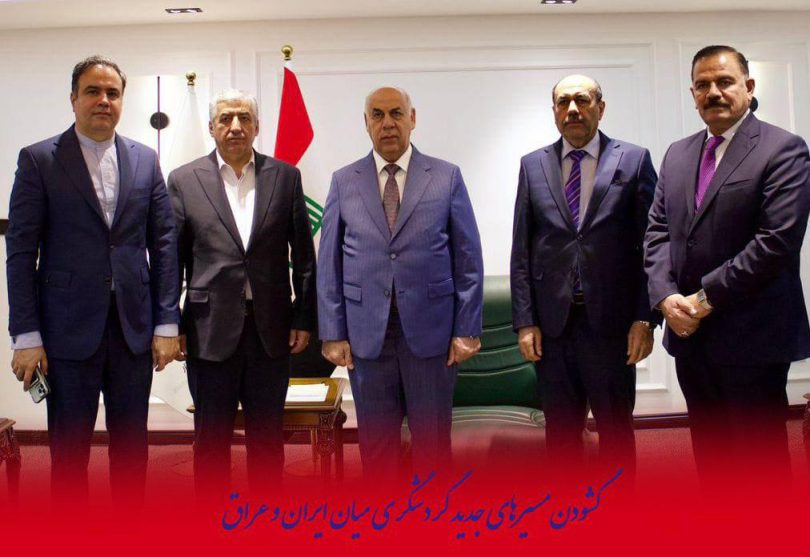
Dr. Hormatallah Rafiei, President of the Iranian Association of Air Travel and Tourism Agencies, AATTAI, stated in a meeting with Iraq’s Minister of Tourism and the country’s private sector that tourism cooperation between Tehran and Baghdad is expanding beyond pilgrimage tourism to include leisure, scientific, and medical tourism.
Dr. Rafie also stated that over 50% of Iran’s inbound and outbound tourism is with Iraq, with 3.5 million tourists traveling from Iraq to Iran and an equal number traveling from Iran to Iraq. Rafiei added that so far, 31 travel agencies in Iran have registered to participate in the Iran-Iraq Tourism Roadshow, and this number is expected to grow in the coming days.
Both countries’ populations are, for the most part, Shia Muslims. Iraqis, especially Shia Muslims, often visit Iran’s holy cities and shrines, such as Mashhad (the shrine of Imam Reza) and Qom. These are major spiritual destinations. Shared religious identity and reverence for similar religious figures strengthen this pull.
Iran has issued free visas for Iraqi visitors.
- Iran boasts numerous UNESCO World Heritage sites, ancient Persian cities, stunning architecture, lush gardens, and impressive ruins that are highly attractive to tourists who appreciate history and culture.
- Shared or similar cultural ties (language, customs, hospitality) in some border regions can make travel more comfortable.
- Many Iraqis travel to Iran for health reasons—medical procedures that may be more available, cheaper, or of higher quality in Iran.
- Iran’s geography is very varied (mountains, deserts, forests, coastlines, hot springs, etc.). For tourists from Iraq seeking diverse scenery (e.g., mountain resorts, mineral springs). It offers much—for instance, Larijan hot springs, mineral springs like Kani Grawan, etc.
- Travel and accommodation can be more affordable in many parts of Iran compared to Western countries or other regional destinations.
- Some travel is driven by students attending Iranian universities (relatively lower costs, recognition), as well as cultural events and festivals.
- There is a historical interconnection, shared religious and cultural memory, family or tribal ties across the border, especially in border regions.
- Tourists often want to experience that cultural or familial connection, see places of shared heritage.
At the same time, Iranian’s love to travel to Iraq for the same reasons:
- The most important reason is Ziyarat (holy visitation) to Shia shrines. Cities such as Karbala, Najaf, Kadhimiya, and Samarra are significant for Shia Muslims, many of whom are in Iran. The shrines of Imam Hussein in Karbala, Imam Ali in Najaf, and others are major pilgrimage sites.
- Specific observances, particularly Arbaeen, draw massive numbers of Iranians. For example, millions of Iranians go to Karbala and Najaf during Arbaeen. T
- The spiritual and cultural significance, combined with tradition, make it a pilgrimage that many lifelong believers aspire to undertake.
- Because both countries have large Shia populations and many religious traditions, belief systems, and devotional practices overlap, visiting the holy sites in Iraq is deeply meaningful. The closeness of religious education, scholarship, texts, and reverence for the same Imams creates a cultural affinity.
- Iraq is the site of many ancient civilizations (Mesopotamia, Babylon, Assyria, etc.). For those interested in history, archaeology, and heritage, Iraq offers a wealth of ruins, ancient artifacts, and historical sites, many of which hold strong appeal.
- The Kurdistan Region in northern Iraq offers landscapes, mountains, waterfalls, and cooler climates during the summer, which are particularly attractive when Iran’s heat is intense.
- For many Iranians, going to Iraq for pilgrimage is part of identity, family tradition, and religious duty.
- The atmosphere of pilgrimage — communal, devotional, ritual — is compelling, offering something different from ordinary tourism: people feel part of something larger.
How to get 5 million visitors between Iran and Iraq?
Putting all this together, a reasonable current estimate is that the current number of 3 to 4 million Iraqis visiting Iran every year can be increased to 5 million.