


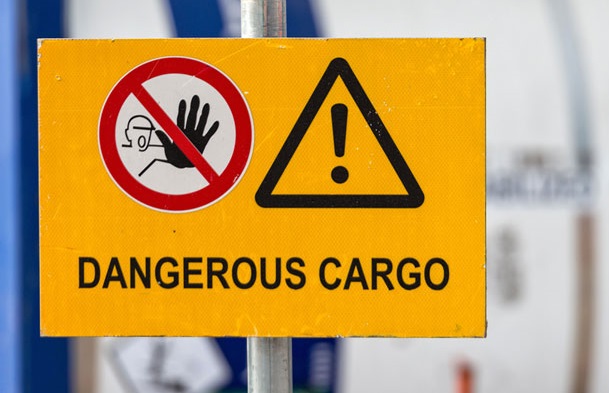

The IATA and ICAO have agreed to further their ongoing collaboration in establishing and enforcing worldwide safety standards for the transportation of hazardous materials by air. This agreement was reached during a visit by ICAO Secretary General Juan Carlos Salazar to the IATA Executive Offices in Geneva, where they discussed enhancing cooperation between the two organizations.
IATA started issuing guidance on transporting dangerous goods by aircraft in 1956 and has continuously updated and set standards. The adoption of ICAO Annex 18 in January 1984 further formalized the approach to this topic at a regulatory level. Annex 18 establishes the general principles for the international transportation of dangerous goods. The Technical Instructions for the Safe Transport of Dangerous Goods by Air expand on the basic provisions of Annex 18 and include all the detailed instructions needed for safely transporting dangerous goods internationally by air. They also offer guidance to States for inspection and oversight.
Per the Technical Instructions established at the government level by ICAO, IATA collaborates with the aviation sector to create practical tools and operational suggestions. These are published as the Dangerous Goods Regulations, serving as worldwide standards for all stakeholders involved in the value chain, including manufacturers, shippers, airlines, freight forwarders, and ground handlers. These regulations encompass operator modifications, supplementary materials, tools, guidelines, and notes necessary to ensure a safe and consistent approach to accepting, inspecting, handling, and transporting dangerous goods on aircraft.
According to Willie Walsh, IATA’s Director General, the transportation of dangerous goods is now widely practiced due to the strict compliance with international standards and guidelines. The agreement reached today guarantees that dangerous goods will still be handled in accordance with the highest globally accepted standards.
Walsh added that in order to maintain a consistent and practical approach to the regulated transportation of dangerous goods, IATA will continue to advocate and collaborate with key stakeholders. This will result in more efficient and resilient supply chains, while prioritizing aviation safety.