




The JW Marriott is Designed by Yabu Pushelberg, the hotel embodies a Zen-inspired sanctuary that blends art, nature, and modern luxury. The interiors feature natural materials, tranquil tones, and artwork celebrating Japan’s landscapes. Highlights include the Tree House glass art centerpiece by Lasvit and sweeping city views from the 30th-floor lobby.
The property features 200 guest rooms and suites, including Asia’s first Mindful Rooms & Suites debuting in December 2025, designed to promote well-being and reflection.
Dining options are led by Culinary Director Conrado Tromp and include Kakō, a refined washoku restaurant; Saki, an avant-garde kappo by two Michelin-starred chefs; Sefino, a modern Mediterranean venue by Chef Agustin Balbi; and Le Cres croissant bar. The JW Bar and JW Lounge offer relaxed yet elegant social spaces.
The hotel’s Executive Lounge and 1,140 sqm of event space — featuring Japan’s largest 270° movable LED wall — cater to business and social gatherings. Wellness offerings include the Spa by JW, a pool with panoramic city views, and a fully equipped fitness center.
Family travelers are welcomed through the Family by JW program, which offers engaging activities for children.
According to Bruce Rohr, Global Brand Leader, and Christopher Clark, General Manager, the hotel represents a milestone for JW Marriott’s mindful luxury philosophy in Asia — offering guests a serene retreat infused with Japanese artistry, balance, and connection.
Here are three strong competitors to the JW Marriott Hotel Tokyo (Takanawa Gateway City, Tokyo) — each offering luxury accommodation, prime Tokyo access, and compelling propositions.
1. The Strings by InterContinental Tokyo
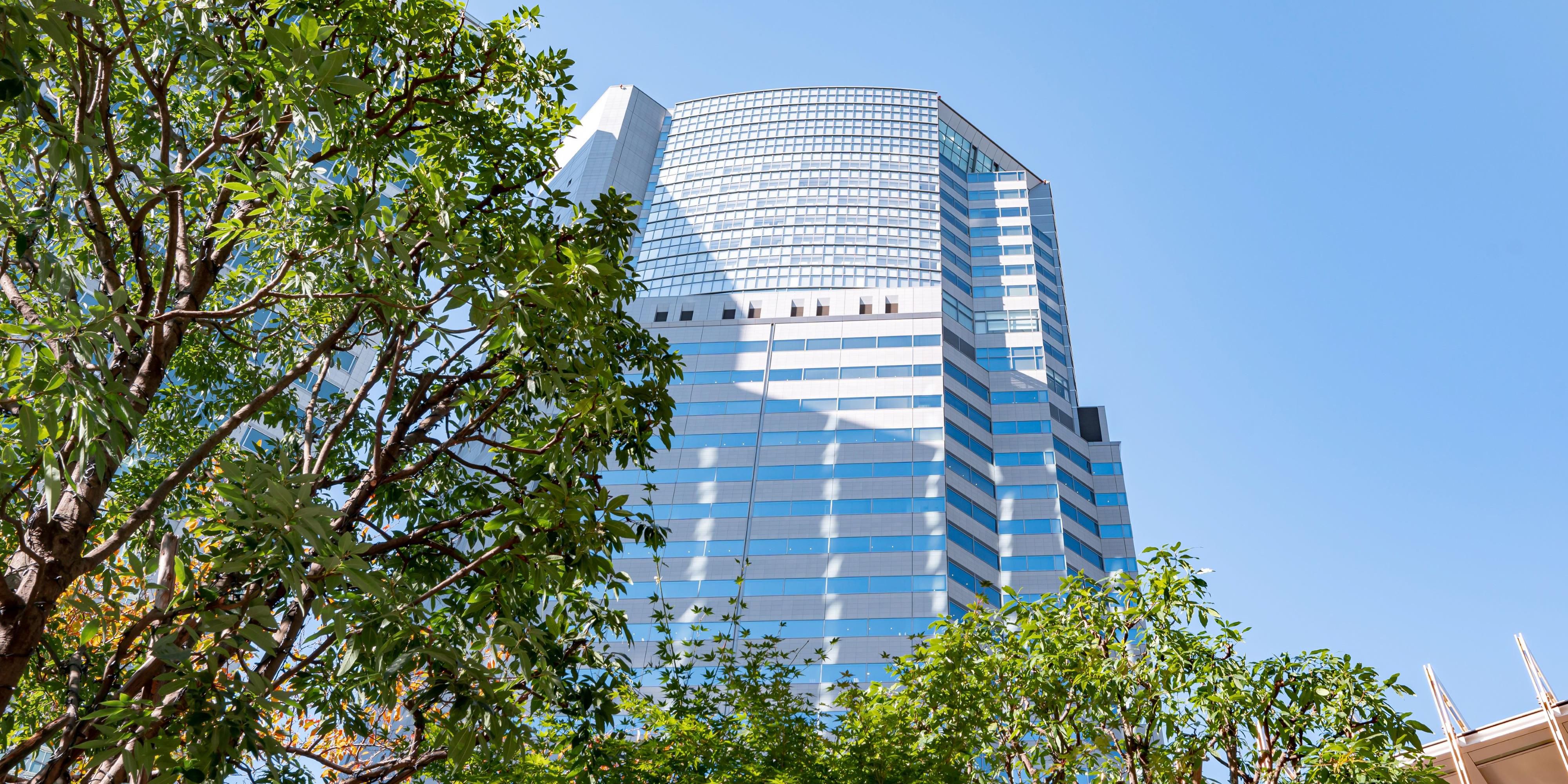
Why it competes:
- Located adjacent to Shinagawa Station, one of Tokyo’s major transport hubs — just a short walk from the station. The Strings by InterContinental Tokyo+1
- Offers premium rooms and suites with lounge access (“Club InterContinental”), appealing to high-end business and leisure travellers. The Strings by InterContinental Tokyo
- Combines global brand standards (InterContinental) with a Tokyo business district location, making it highly competitive for travellers needing connectivity and luxury.
Points of differentiation:
- The Strings emphasises club-lounge benefits and views of the Tokyo skyline.
- The JW Marriott emphasises a design narrative, “Mindful Rooms” concept, art & wellness — so The Strings may appeal more to business guests seeking straightforward luxury and connectivity.
2. The Prince Sakura Tower Tokyo, Autograph Collection
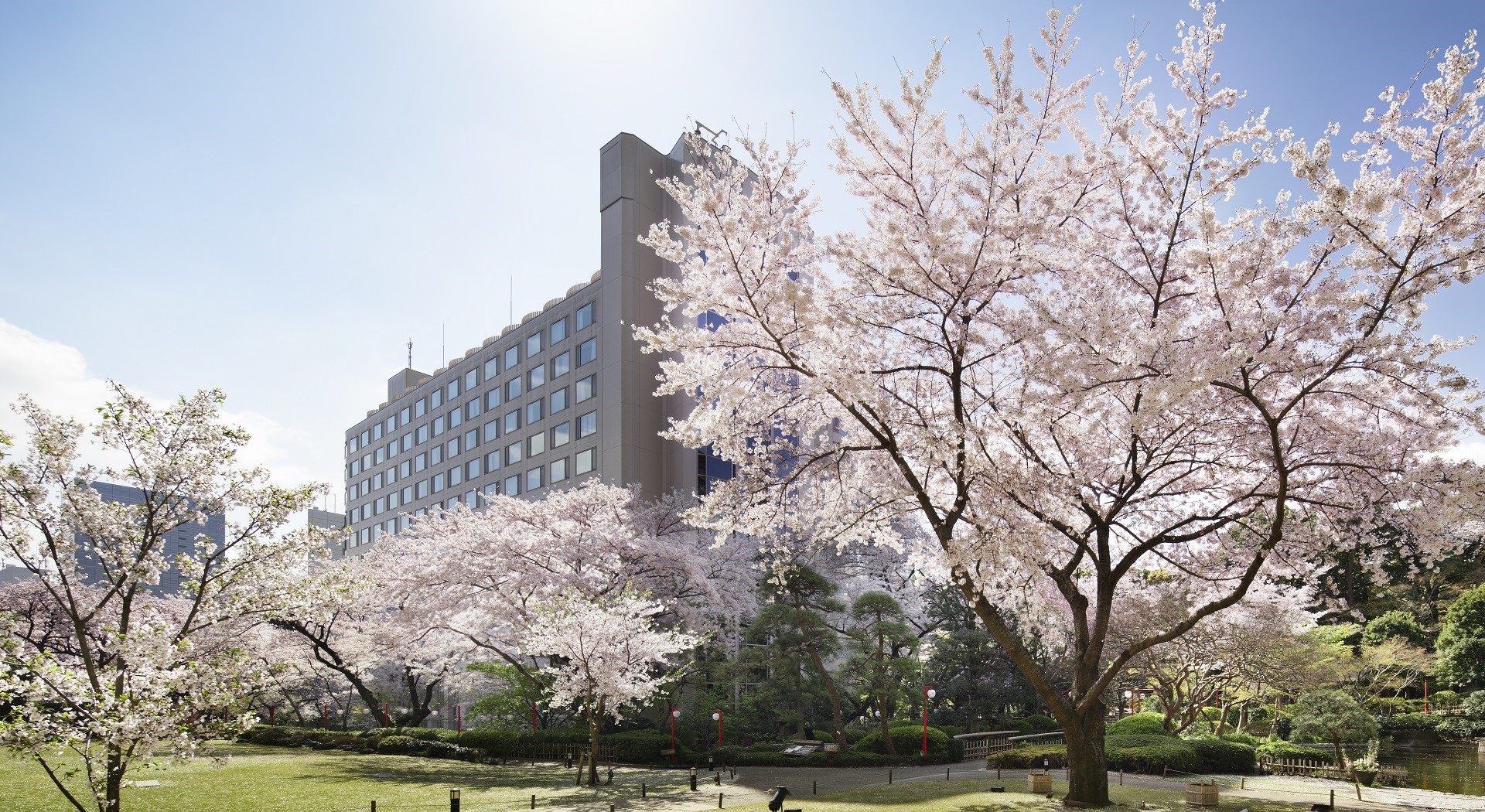
Why it competes:
- Located in Takanawa area (close to JW Marriott’s location), effectively in the same district. Seibu Prince Hotels & Resorts+1
- Has a strong luxury position: stylish Japanese-inspired interiors, garden setting, connected to a high-profile luxury collection (Autograph Collection). Seibu Prince Hotels & Resorts
- For travellers wanting a slightly more established property (versus a brand-new one) with strong garden setting, this is attractive.
Points of differentiation:
- More estate-style feel (garden, greenery) than the ultra-modern “urban sanctuary” pitch of the JW Marriott.
- JW Marriott emphasizes a new design, a mindful stay, and signature dining; Prince Sakura offers luxury but perhaps a less avant-garde concept.
3. TAKANAWA HANAKOHRO, a Member of Small Luxury Hotels of the World
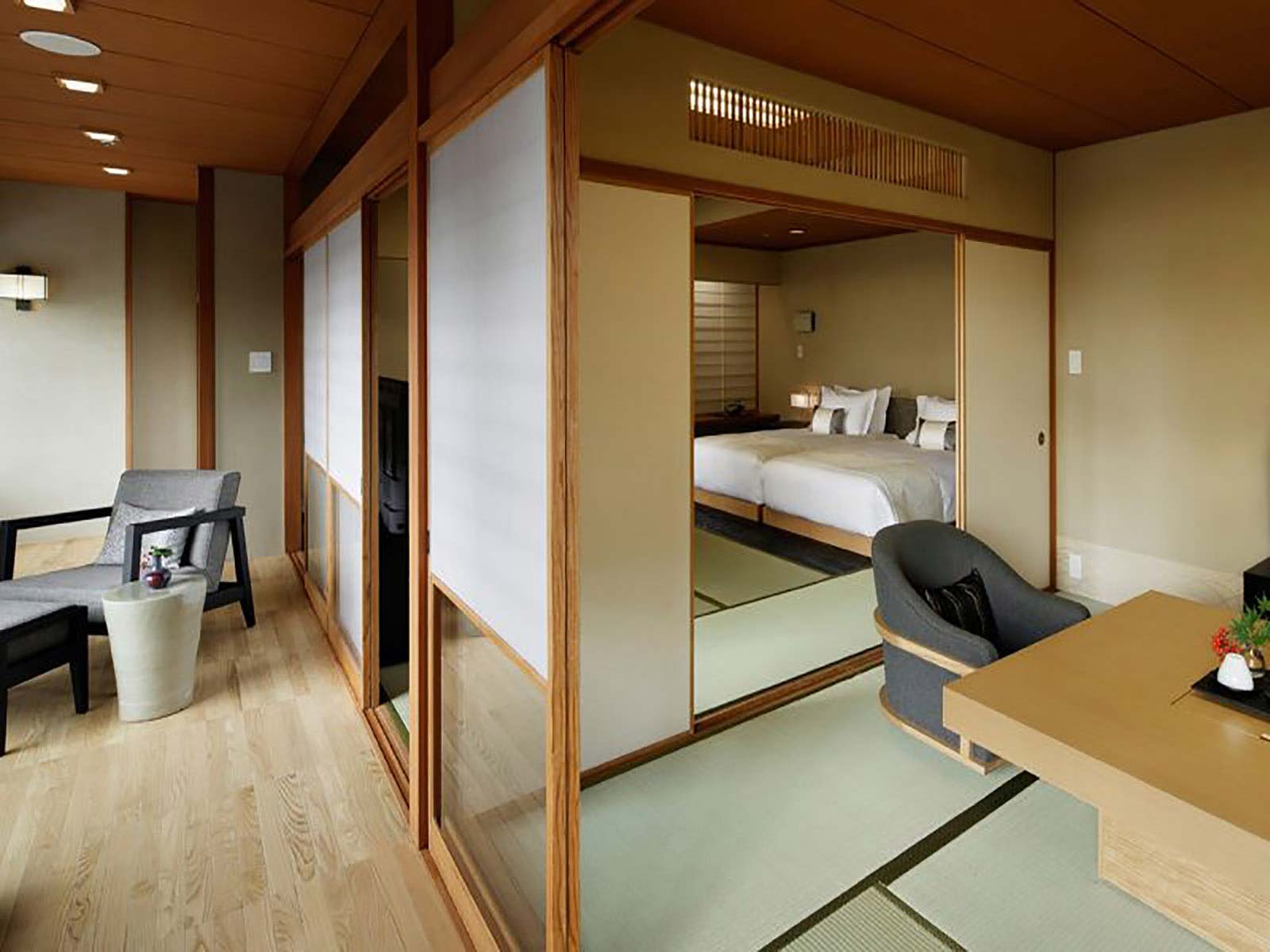
Why it competes:
- Ultra-luxury intimate property (16 suites), with strong Japanese aesthetic (garden, traditional materials) in Takanawa. Small Luxury Hotels+1
- Appeals to a niche segment seeking boutique ultra-luxury stays in Tokyo, high exclusivity, calm setting — which overlaps with JW’s “sanctuary” positioning.
- The “Small Luxury Hotels of the World” branding adds prestige.
Points of differentiation: